Art psychotherapy combines creativity with psychologically informed therapy to help you express feelings, understand experiences and build emotional resilience — even when words are difficult.
You do not need art experience. All sessions are designed around your comfort and pace.
Art therapy is particularly beneficial for fostering emotional resilience. By translating emotions into visual forms, participants can gain a better understanding of their internal experiences and develop healthier coping mechanisms. This form of therapy is also versatile in addressing various mental health conditions. For instance, individuals suffering from depression often find solace in the creative process, which can help them articulate feelings that are difficult to express through words. Similarly, for those with anxiety, art therapy provides a constructive distraction, channeling nervous energy into artistic endeavors.
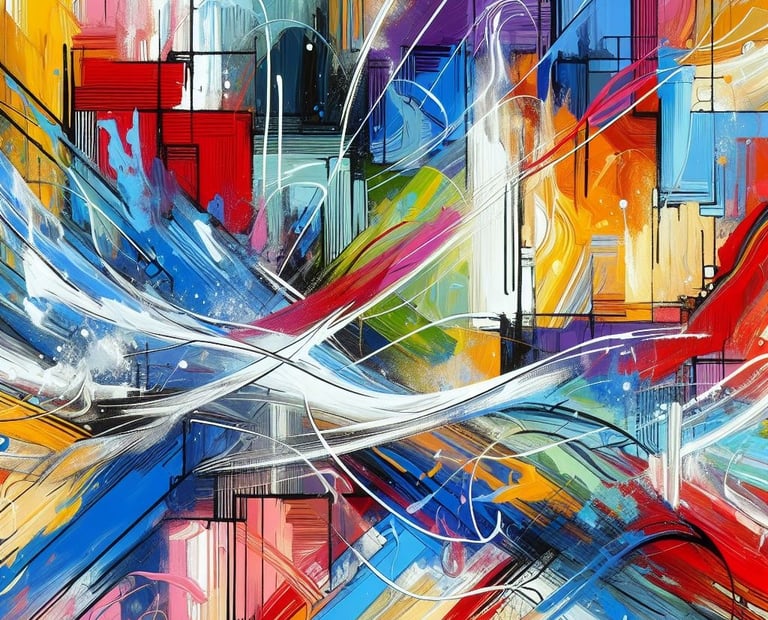
Art Psychotherapy & Creative Mental Health Support
What a Session Looks Like
Every session is personalised, but may include:
Scribble drawings to loosen tension
Creating images that express emotions
Collage to explore themes safely
Paintings as emotional release
Storytelling through imagery
Mask‑making to explore identity
Gentle reflective conversation
Practical coping strategies
Artmaking can help externalise emotions, reduce overwhelm, settle the body and make complex feelings easier to work with
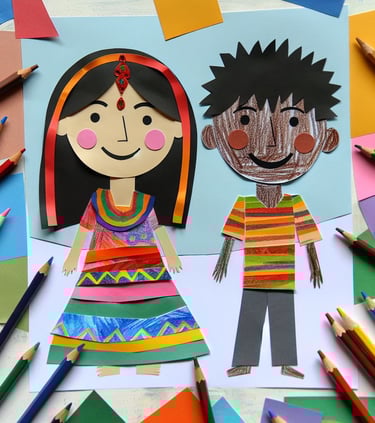
Who We Work With
We support adults, teenagers and families with:
Anxiety and depression
Low mood
Trauma / PTSD
Domestic abuse recovery
Adverse childhood experiences
Bullying
Grief
Autism & neurodiversity
How Sessions Begin
Free 20‑minute consultation
A personalised plan based on your needs
Weekly or fortnightly 60‑minute sessions
Regular check‑ins to ensure safety & comfort
Tools you can use outside of therapy
Flexible session formats
What does it take to be an Art Therapist?
Training And Accreditation
In the UK, the titles 'art therapist' and 'art psychotherapist' are legally protected. This means that all art therapists must be registered with the Health and Care Professions Council (HCPC). Becoming a registered art therapist involves a thorough and detailed process to ensure they are well-qualified to provide excellent care. You can find a list of all registered art therapists on the HCPC register.
The register also includes all other healthcare professionals with the exception of doctors, nurses, and social workers who all have their own registration boards. This shows how specialised and skilled art therapists are in the field of mental health.
The professional body “The British Association of Arts Therapists also provides professional support to the profession. There are instances where people pass themselves off as an art therapist. BAAT have provided guidance on what to do here.
Further organisations also undertake independant checks on the registration of their members including Psychology Today.




An Alternative to Talking Therapies like CBT
Art therapy is a great way to improve mental health. It helps you express and heal through creative activities. Making art can reduce stress by giving you a way to show your emotions without words. It helps you feel calm and mindful, which lowers anxiety and stress. Seeing your art can boost your self-esteem and give you a sense of accomplishment and pride.
Art therapy also helps you build emotional strength. By turning your feelings into art, you can understand yourself better and find healthier ways to cope. It works for many mental health issues. For example, people with depression find comfort in creating art, which helps them express feelings that are hard to put into words. For those with anxiety, art therapy provides a helpful distraction and a way to use nervous energy creatively.
Art therapy is flexible and can be used for people of all ages, from children to adults. It is used in places like hospitals, schools, rehab centres, and private practices. The creative, non-verbal nature of art therapy allows people to express themselves, process their experiences, and work towards improving their mental health.
Interested in how art therapy can help you? Contact us today to learn more and schedule your first session!
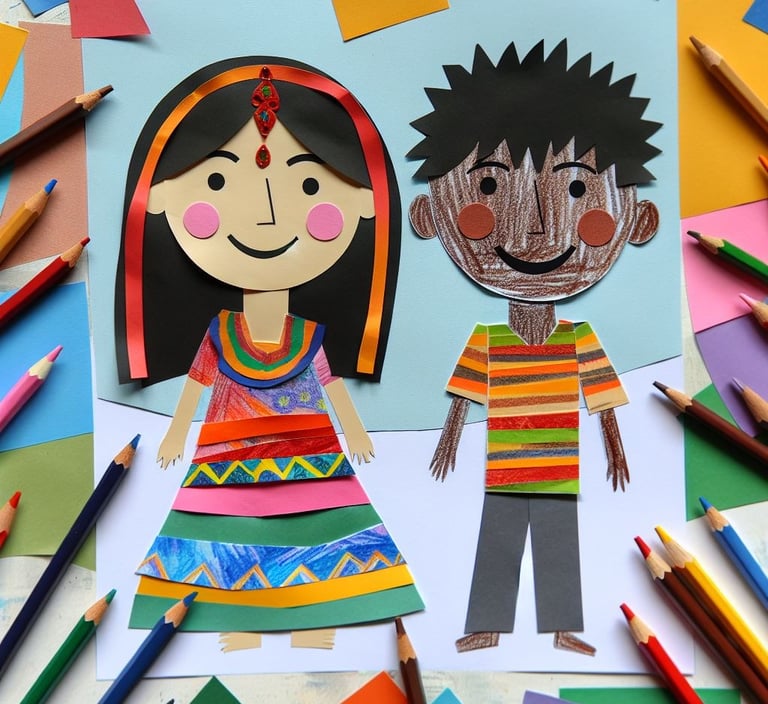
How Art Therapy Can Help You
Art therapy creates a safe and supportive space where you can express yourself freely. Our art therapists build trust and make you feel comfortable, so you can explore your creativity without fear of judgment. This helps you grow, heal, and process your experiences.
Art therapy combines making art with understanding your emotions. Each session is personalised to fit your needs, allowing you to explore your feelings and gain insights. Our registered art therapists use art to help you discover and transform yourself, supporting your mental health.
Unlike traditional talk therapies, art therapy offers a holistic approach. It helps you explore and release emotions through drawing, painting, sculpture, and collage. Creating art can reflect your inner world and show your feelings and thoughts. This is especially helpful for those who find it hard to talk about their emotions.
Art therapy is also great for processing traumatic memories in a safe way, reducing emotional intensity over time. Its non-verbal nature is beneficial for those who struggle to talk about their trauma. Additionally, art therapy can be tailored to help with various mental health conditions, like bipolar disorder, schizophrenia, and substance abuse.
Ready to see how art therapy can help you? Contact us today to learn more and schedule your first session!
Sharon has transformed my life. Her compassionate approach and skilled guidance helped me navigate my mental health challenges effectively. Highly recommend their services!
Sarah J.


★★★★★